
Understanding the Basics of Home Refinance
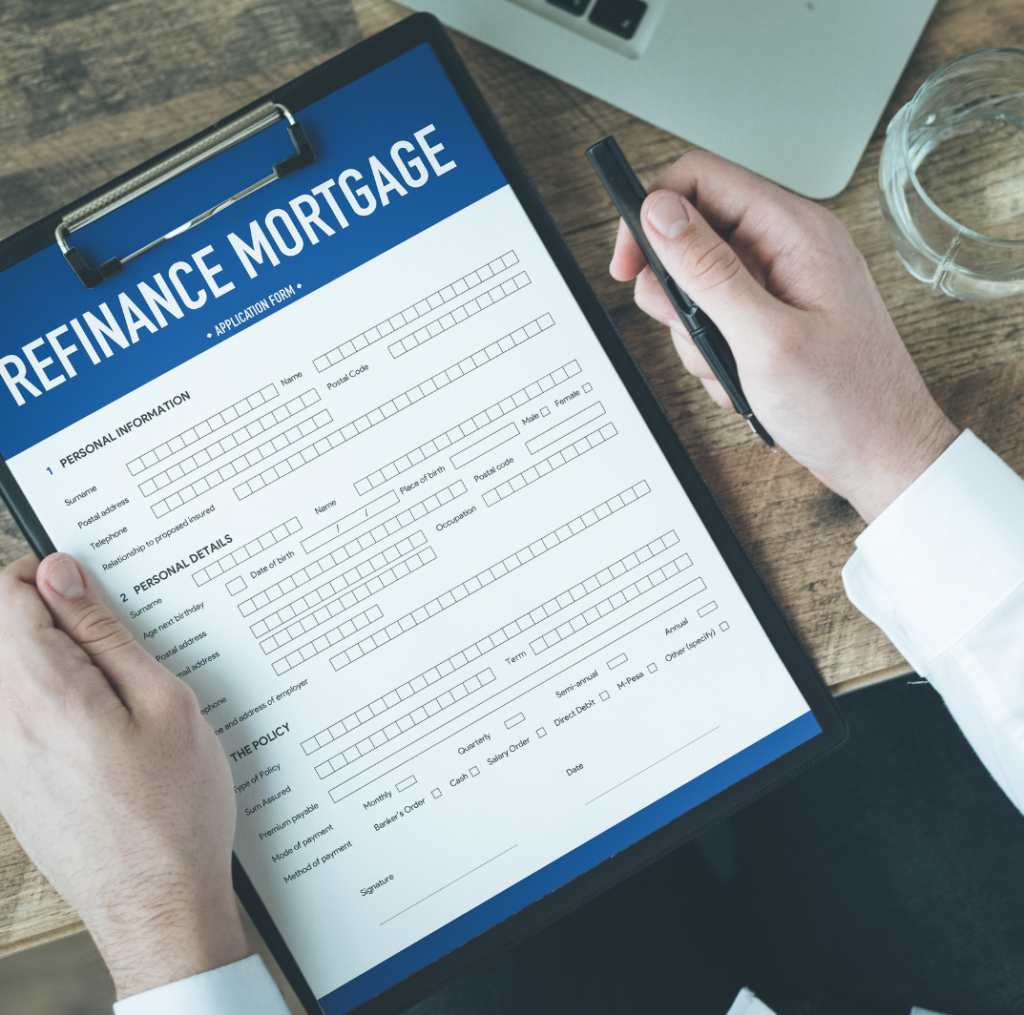
Refinancing your mortgage is a strategic financial move that can yield significant benefits when approached with careful consideration. At its core, home refinance involves replacing your existing mortgage with a new loan, typically featuring more favorable terms. Borrowers often pursue refinancing to secure a lower interest rate, reduce monthly payments, or access the equity built up in their home for other financial needs. Understanding the fundamental aspects of this process is crucial before making any decisions.
What Is Home Refinance?
Home refinance essentially means paying off your current mortgage and obtaining a new one, often with different terms. This process can be initiated through your current lender or by exploring offers from other financial institutions, such as GWFR Lending, which specializes in helping homeowners maximize their refinancing potential.
Why Consider Refinancing?
- Lower Interest Rates: One of the primary motivations for refinancing is the opportunity to secure a lower interest rate, which can result in considerable savings over the life of the loan.
- Reduced Monthly Payments: By extending your loan term or lowering your rate, you can decrease your monthly mortgage payment, making homeownership more manageable.
- Access to Home Equity: Cash-out refinancing allows homeowners to tap into their home’s equity, providing funds for renovations, debt consolidation, or other major expenses.
Before proceeding, it’s important to assess your financial goals and consult with trusted advisors like GWFR Lending. A clear understanding of refinancing basics lays the groundwork for making informed choices tailored to your unique situation.
How Interest Rates Affect Your Refinance Decision
Interest rates are a pivotal factor in determining whether refinancing your mortgage is a financially sound decision. When considering a mortgage refinance, even minor fluctuations in interest rates can make a significant difference in your monthly payments and the total amount paid over the life of your loan. Understanding how these rates operate and their impact on your refinancing options is essential for making an informed choice with GWFR Lending.
The Relationship Between Interest Rates and Savings
Refinancing becomes particularly attractive when current market rates are lower than the rate on your existing mortgage. By securing a reduced interest rate, you can decrease your monthly payment, potentially save thousands of dollars over the loan term, and even pay off your mortgage sooner. Conversely, if rates are higher or only marginally lower, the savings may not justify the costs associated with refinancing, such as application fees, appraisal costs, and closing expenses.
Market Trends and Timing
Timing your refinance is crucial. Market interest rates fluctuate based on economic indicators, inflation, and Federal Reserve policies. Monitoring these trends allows you to act when rates drop, maximizing your potential savings. Consulting with GWFR Lending provides you with up-to-date market insights and personalized advice to ensure you lock in the most advantageous rate.
Assessing interest rates carefully is the first step in a smart refinancing journey. With a clear understanding of their influence, you can confidently move forward, exploring additional factors that will shape your overall refinancing strategy.
Building Equity and Its Role in Refinancing
Building equity is a cornerstone of homeownership and plays a pivotal role when considering refinancing your mortgage with GWFR Lending. Equity refers to the difference between your home’s current market value and the outstanding balance on your mortgage. As you make regular payments, your loan balance decreases, while your property’s value may appreciate over time. This growing equity becomes a valuable financial asset, granting you increased leverage and options when you decide to refinance.
Refinancing is most advantageous when you have accumulated significant home equity. Lenders, including GWFR Lending, often view borrowers with higher equity as lower risk, which can lead to more favorable interest rates and terms. With at least 20% equity, you may be able to eliminate private mortgage insurance (PMI), further lowering your monthly payments. Additionally, increased equity can open the door to cash-out refinancing, enabling you to access funds for major expenses like home improvements, debt consolidation, or educational costs.
Ways to Build Equity Faster
- Make Extra Payments: Applying additional funds toward your principal accelerates equity growth.
- Home Improvements: Strategic renovations can boost your property’s value, increasing your equity.
- Market Appreciation: Rising property values in your area can naturally enhance your equity position.
Understanding how equity impacts your ability to refinance empowers you to make informed financial decisions. As you consider refinancing with GWFR Lending, assessing your current equity position is the first step toward unlocking better mortgage terms and greater financial flexibility.
Common Reasons to Refinance with GWFR Lending
Homeowners often turn to GWFR Lending for mortgage refinancing when seeking to optimize their financial position. Understanding the motivations behind refinancing can help you determine if now is the right time to explore this smart financial strategy. Below are some of the most prevalent reasons clients choose GWFR Lending for mortgage refinancing, each tailored to meet distinct financial goals.
Lowering Your Interest Rate
One of the top incentives for refinancing a mortgage is the opportunity to secure a lower interest rate. Even a small reduction in your rate can translate into significant long-term savings and reduced monthly payments. GWFR Lending offers competitive rates, enabling homeowners to capitalize on market conditions and enhance their financial flexibility.
Reducing Monthly Payments
Refinancing through GWFR Lending allows borrowers to extend their loan terms or access better rates, effectively lowering their monthly mortgage payments. This adjustment can provide immediate relief to monthly budgets and free up cash for other essential expenses or investments.
Accessing Home Equity
Many homeowners choose to refinance to tap into their home’s equity. GWFR Lending makes it easy to convert equity into cash for home improvements, debt consolidation, or major life events. This process delivers both liquidity and peace of mind, empowering you to achieve your financial goals.
Switching Loan Types or Terms
Some borrowers refinance to switch from an adjustable-rate mortgage to a fixed-rate mortgage, or vice versa. Others may shorten their loan term to pay off their mortgage faster and save on total interest. GWFR Lending’s flexible loan options support these evolving needs, ensuring your mortgage aligns with your long-term objectives.
Whether you’re seeking savings, stability, or greater access to your home’s value, GWFR Lending provides tailored refinancing solutions. Understanding these common reasons can help guide your next steps toward a smarter mortgage strategy.
Key Factors to Evaluate Before Refinancing
Before deciding to refinance your mortgage, it’s essential to assess several critical factors that can significantly influence both your immediate financial situation and your long-term goals. By thoughtfully considering these aspects, you can ensure that your decision aligns with your objectives and that you make the most of what GWFR Lending has to offer.
Current Interest Rates and Market Trends
One of the most compelling reasons to refinance is to secure a lower interest rate. Start by comparing your existing mortgage rate with current market rates. Even a modest reduction in interest can translate to substantial savings over the life of your loan. Keep in mind, however, that market conditions fluctuate, so timing your refinance can make a meaningful difference in the potential benefits you receive.
Personal Financial Situation
Evaluate your credit score, income stability, and debt-to-income ratio. Lenders, including GWFR Lending, will scrutinize these factors to determine your eligibility and the terms of your new loan. Improving your credit profile before applying can help you qualify for better rates and reduce your overall borrowing costs.
Costs and Fees Associated with Refinancing
Refinancing isn’t free. Be sure to factor in closing costs, appraisal fees, and any prepayment penalties from your current lender. Calculate the break-even point—the time it will take for your savings to outweigh these expenses—to ensure refinancing makes financial sense for you.
By carefully evaluating these key factors, you’ll be well-equipped to make an informed decision and maximize the advantages of refinancing with GWFR Lending.